
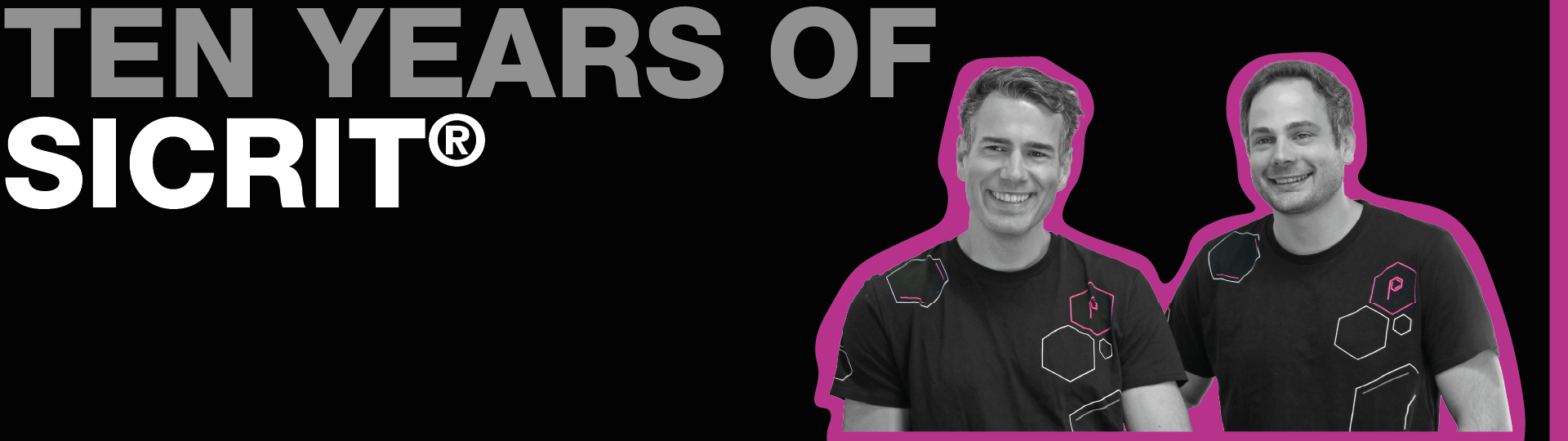
Ten Years of SICRIT®: A Conversation with Plasmion’s Founders
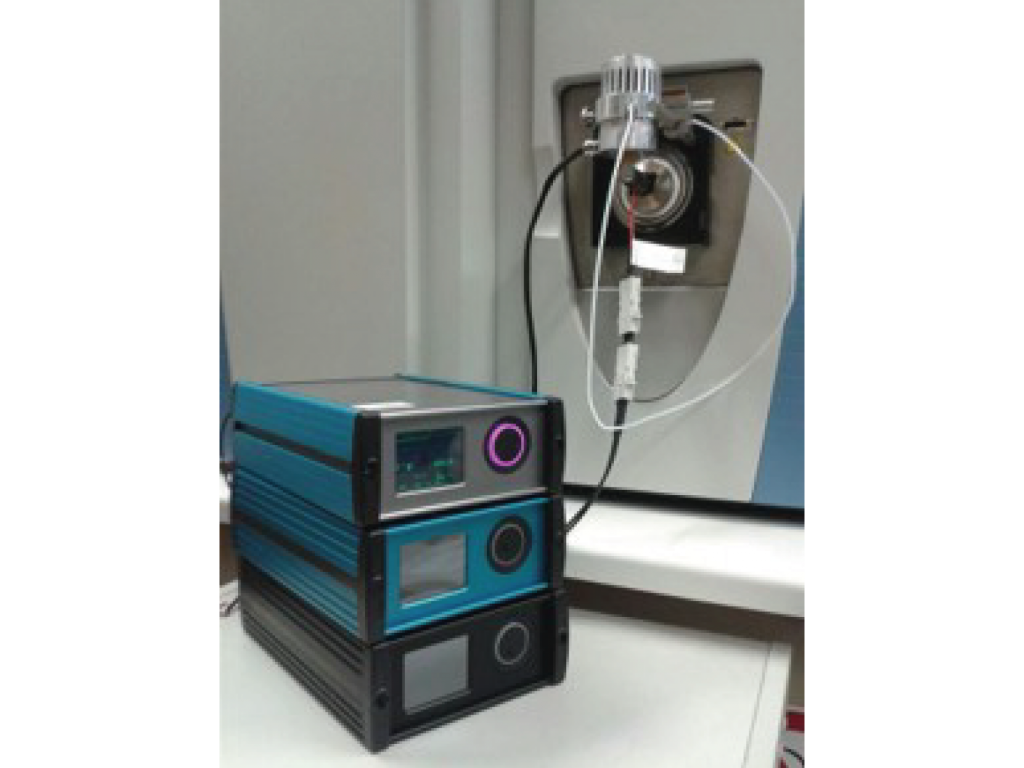
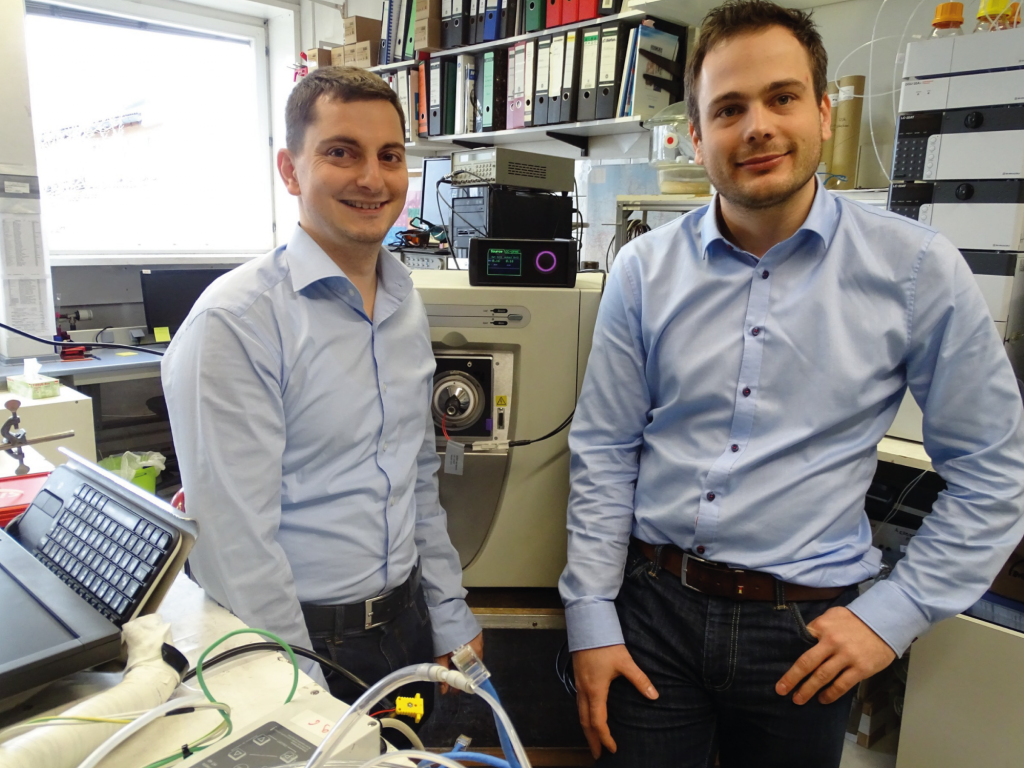
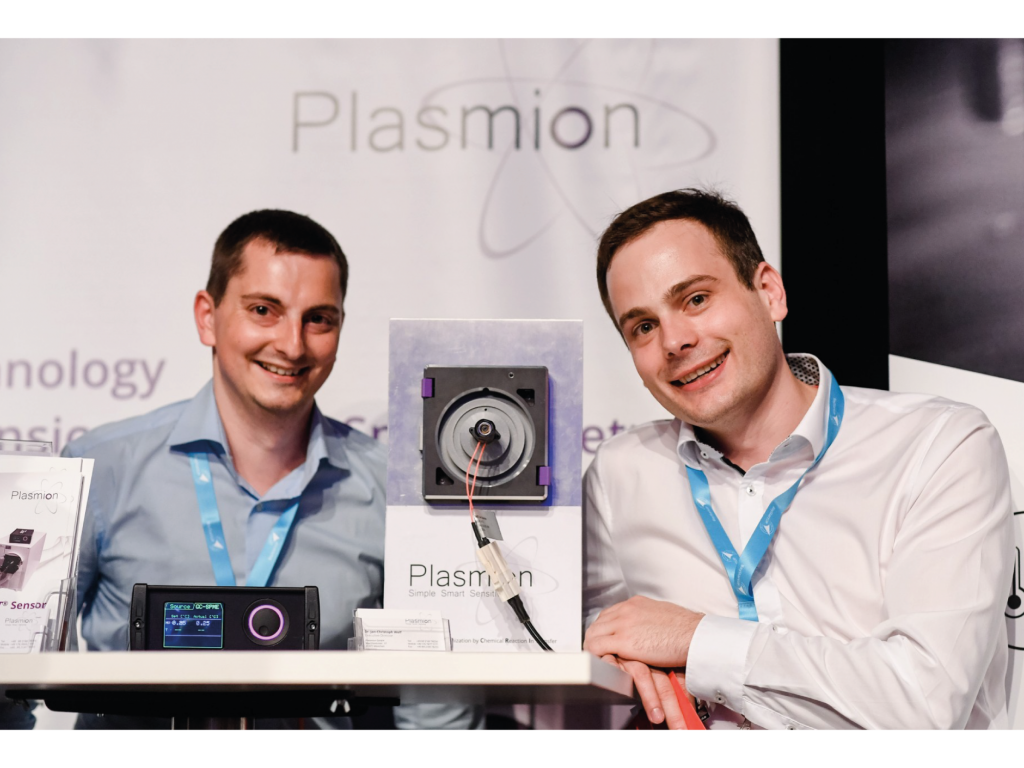
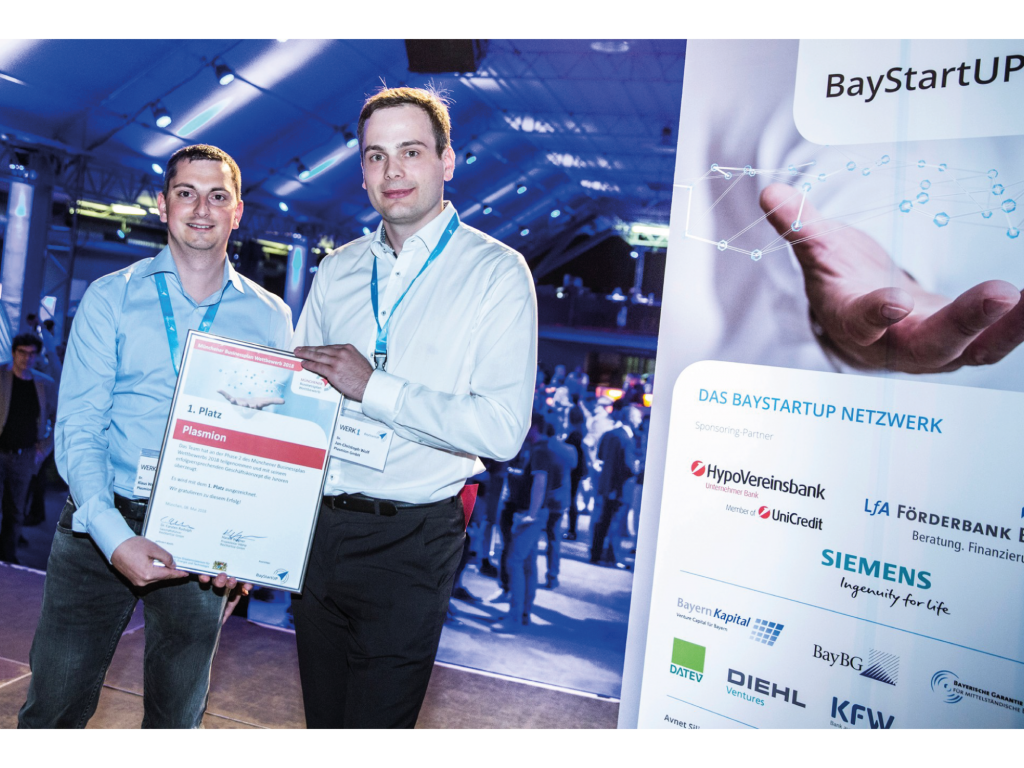
Ten years ago, the brothers Jan and Thomas Wolf started Plasmion out of a tiny garage office, armed with a patent application, a handful of prototypes, and an EXIST Stipend to keep the lights on. Today, researchers in universities and laboratories across more than 20 countries rely on SICRIT® – and in 2026, Plasmion steps into a new chapter as part of the Shimadzu Group. To mark ten years since founding, we sat down with Jan and Thomas to talk about the chaos of the early days, the decisions that shaped the company, and what they see coming next for SICRIT® and the team behind it.
Thinking back to the day you founded Plasmion – what did you, Jan, have back then, besides an idea? What did the beginning really look like?
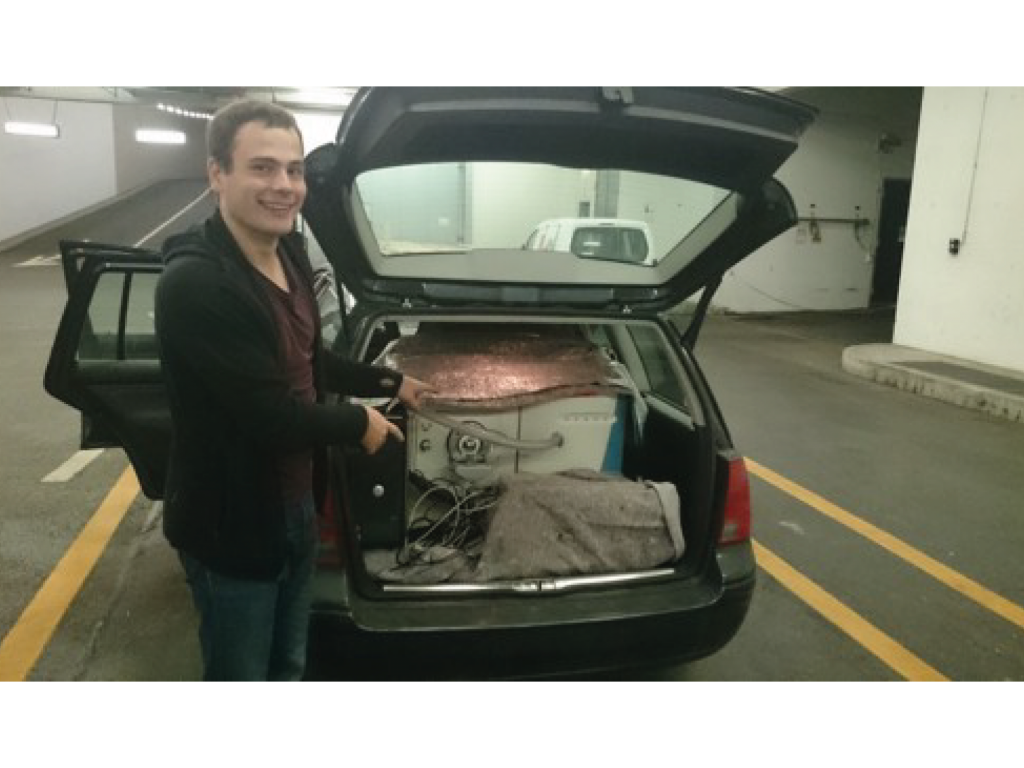
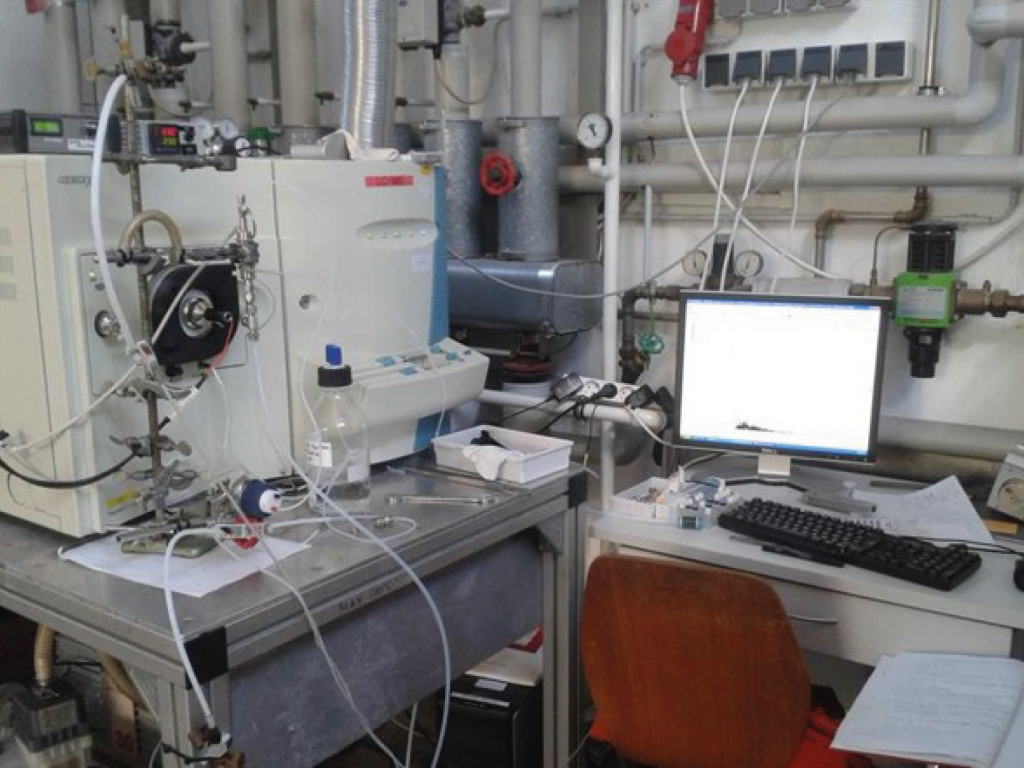
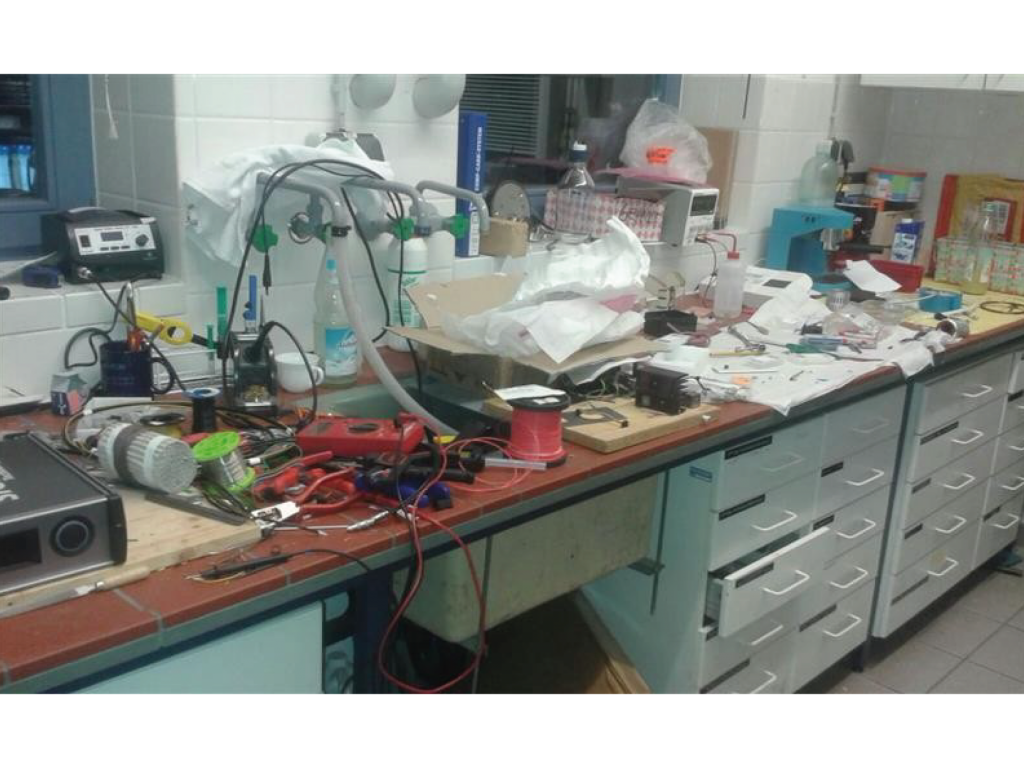
Jan: We had a patent application, working prototypes, a very tiny garage office, several letters of intent and an EXIST Stipend to back us financially. Nevertheless, the beginning was super chaotic and a typical “Garage” Start up I would say.
Thomas, you came from the consulting world, your brother from research – how did you two decide back then to take this risk together?
Thomas: Actually, that is not quite true. Back in 2016 both of us came from research, however from totally different angles. The decision was pretty easy for us – it just seemed worth a try. And with a solid education behind us, it was a decent time to take a few risks.
Jan, your research at ETH Zurich grew into a company that’s now active in over 20 countries. Was there a moment in these ten years when you thought, „Now this is really becoming real?“
Jan: Yes, actually very early, when the first customer really purchased our prototype system and we made our first money with it.
What were, in your view, Thomas, the one or two turning points without which Plasmion wouldn’t exist in its current form today?
Thomas: There were quite some: The decision to set up a vendor-agnostic portfolio, the decision for an early on regional diversification, or the decision to change from bootstrapping to venture capital to just name a view.
With Shimadzu as a new partner behind you, where do you see SICRIT® in the next ten years? What will become technologically possible that isn’t today?
Jan: With our new partner we finally have the resources to develop, exploit, and utilize the full potential of the SICRIT® Technology. My vision is that in ten years SICRIT® will be the gold standard ionization technology for small molecule analysis and that we will use the technology in areas and markets, where no one ever expected to use mass spectrometry.
With the move to become part of Shimadzu in 2026, a new chapter is practically beginning. What does this step mean for the next ten years – for customers, for the team, for you as founders?
Thomas: It means that we can finally realize the full potential of the technology that we, as founders, have always believed in. I am convinced that, together with Shimadzu, our team will bring products to market that will enable our customers to achieve a radical improvement of their day-to-day work.
If you could wish for one thing that Plasmion achieves in the next decade, what would it be?
Jan: To maintain our innovative culture and team spirit.
Where does Plasmion stand when we celebrate another anniversary in ten years?
Thomas: Plasmion will be the company that, based on its ion source technology, has set new standards within the current mass spectrometry market and beyond its currently existing borders.
You built this company together as brothers. Looking back on the last ten years – what moment are you most proud of? And what do you wish for yourselves and for Plasmion over the next ten years?
Jan: Joining the Shimadzu Group, because this can be just rephrased as “we believe and trust in you, your team and your technology”. So, my wish is, that we can keep up to all the internal and external expectations.
Thomas: The moments we’ve been most proud of have been when customers, partners, or other stakeholders told us that we had built something truly valuable – something that actually makes a difference to them. I hope we’ll experience many more of those moments over the next ten years, especially now that we’ve joined forces with Shimadzu and have the opportunity to take our technology to the next level.
A decade, two brothers, countless decisions – and it’s clear the drive hasn’t changed a bit since day one.
We’re excited to continue the journey of #Rethinking mass spectrometry together!