

Direct MS
Analysis
The SICRIT® Ion Source enables highly sensitive, chromatography-free direct mass spectrometry (MS) analysis. No sample preparation is required. Simply place the sample in front of the MS and allow the vacuum to draw the gaseous molecules directly into the source.
Exemplary
Analysis
Results
Instantaneous results without sample preparation for targeted or non-targeted screening of VOC emissions.
Direct MS analysis by „sniffing“ is a simple yet powerful technique that allows us to obtain clean, conclusive MS1 spectra, without the need for any module or chromatography. Just the source and your sample. We show here the simplicity of using this technique to “sniff” explosives, where we can provide an immediate MS1 containing all the same information as conventional techniques, chromatography-free and without any sample prep.


Not only is our technique highly sensitive, comparable to other SICRIT® methods (such as the Desorption Module or the SFC/LC Module), but it also offers strong reproducibility. With this approach, we can measure differences not only between two distinct essential oils but also between the same oils across multiple brands. The reproducibility within replicates is clear, as is the sensitivity of the technique in comparing identical essential oils from different geographic regions and manufacturers. This enables reliable profile analysis and quality control with both high sensitivity and reproducibility.
With this approach of direct MS analysis, we can perform rapid contaminant analysis simply by placing the sample in front of the MS inlet. In this example, we examine how the volatile compounds in tea leaves can become contaminated by environmental pollutants present in tea bags, leading to potential leaching into the consumable product.

Knowledge Base
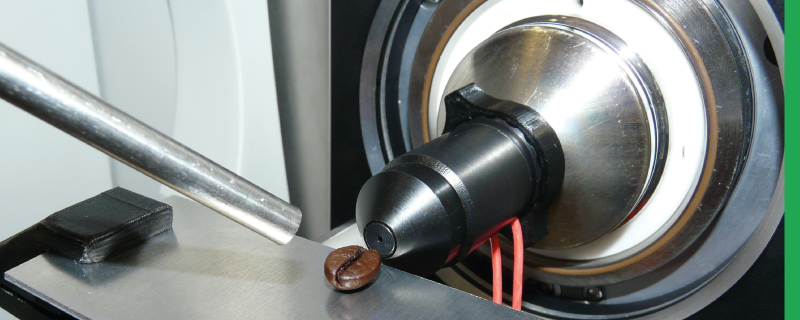
Coffee Aroma Profiling – Direct SICRIT® HR-MS Analysis
This App Note demonstrates how SICRIT® HR-MS enables real-time, direct aroma profiling of coffee beans without sample preparation. The approach captures hundreds of volatile compounds in seconds, supporting roasting optimization, quality control, and aroma-driven product development.


Phthalates: Between Necessity, Risk, and Innovation
This article explains what phthalates are, why they are used, their risks, and how new technologies like SICRIT® may improve analysis.
Differences between DART and SICRIT® in Mass Spectrometry
This article explains the core differences between both ambient ionization solutions, highlighting where each fits into modern lab workflows, and why SICRIT® has become the more flexible, reproducible, and future-ready solution for many applications.
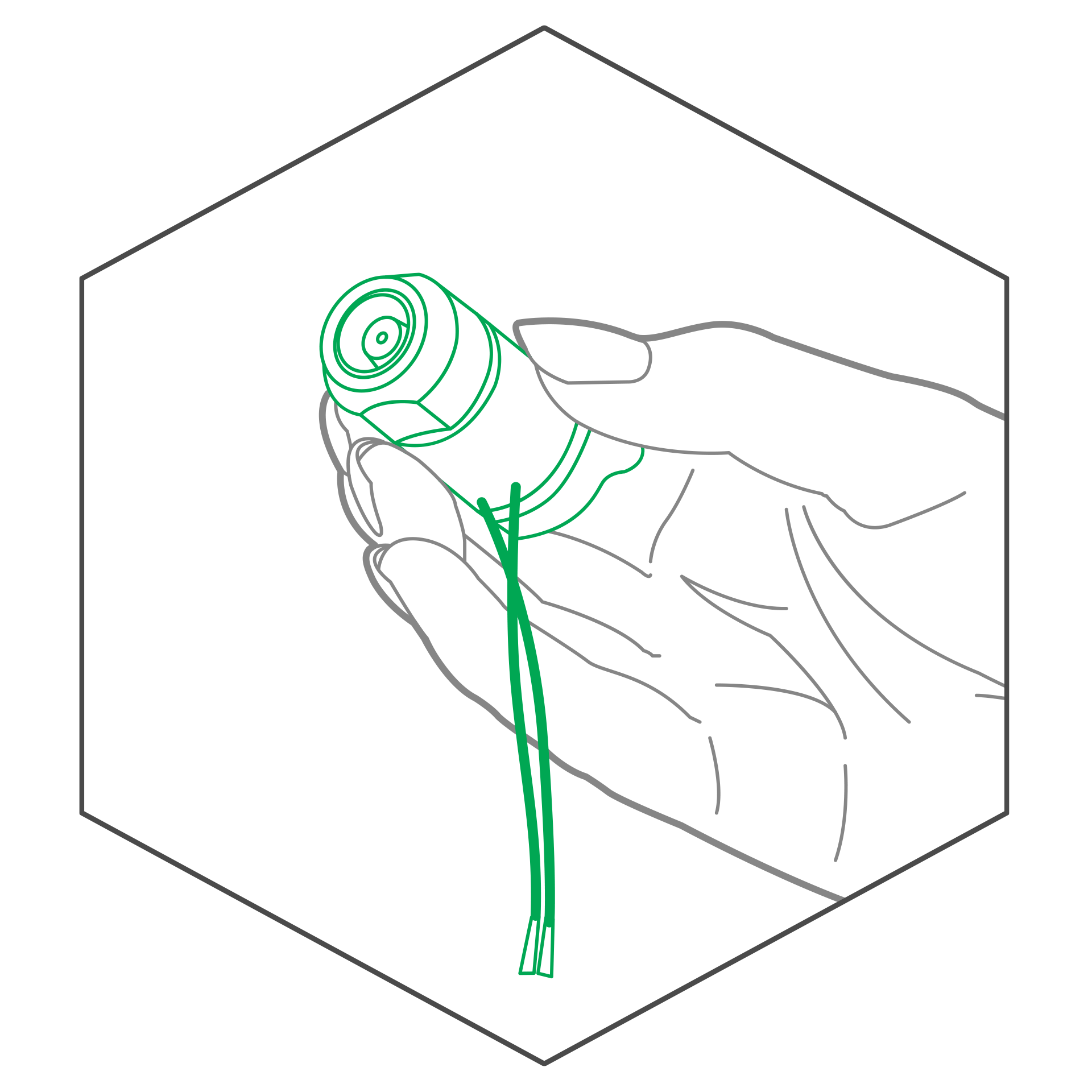
Discover our Products
Find the perfect solution for your use case, with Plasmion’s advanced technology and expertise in chemical analysis for research or industry.